

A self-sufficient backyard isn’t just a dream for rural landowners anymore. With grocery bills climbing and supply chains becoming less reliable, everyday homeowners are looking for real, practical ways to take back control of their food and resources.
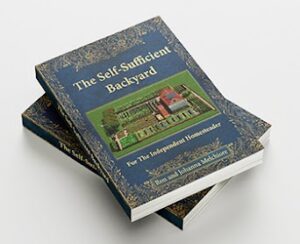
What if your backyard could feed your family year-round? That’s exactly the promise behind The Self-Sufficient Backyard, a comprehensive guide designed to make homesteading approachable, affordable, and genuinely achievable. You don’t need a sprawling farm to get started. Meaningful self-sufficiency is within reach on as little as a quarter acre.
Here’s what makes this resource stand out right away:
- **40+ years** of hands-on homesteading experience packed into one guide
- **100+ DIY projects** covering everything from food growing to water harvesting
- Practical emergency preparedness plans built for real families
Whether you want to grow your own vegetables, collect rainwater, or simply reduce your dependence on grocery stores, this guide meets you where you are. The instructions are clear, the tone is warm, and the results are tangible. Curious about what’s inside? Visit the official site to see everything it covers.
What Is The Self-Sufficient Backyard?
The Self-Sufficient Backyard is a digital guide built to help everyday people grow more of their own food, reduce dependence on grocery stores, and develop practical skills for long-term self-reliance. It covers a wide range of topics under one roof, making it a genuinely useful starting point for anyone curious about sustainable living.
The guide was created by Ron and Johanna Melchiore, a couple with over 40 years of off-grid living experience. Their background isn’t theoretical. They’ve actually built and maintained self-sufficient homesteads in remote locations, which gives their advice a level of credibility that’s hard to match. For anyone exploring homesteading for beginners, that real-world foundation matters enormously.
Inside, readers will find actionable content across several core areas:
Food Growing: Vegetable gardens, fruit trees, and small livestock basics
Water Harvesting: Rainwater collection and storage systems
DIY Projects: Practical builds that reduce costs and increase independence
Emergency Preparedness: Plans and supplies for when systems fail
The brand has also built a community of nearly 800,000 followers online, which speaks to how widely trusted their approach has become. That kind of reach suggests the content resonates with real people, not just survivalist enthusiasts.
What’s Inside The Guide?
The Self-Sufficient Backyard packs an impressive range of practical content into one resource, covering everything a property owner needs to reduce reliance on outside systems. Whether you have a quarter-acre suburban lot or a larger rural plot, the material is designed to meet you where you are.
Here’s a quick breakdown of what you get:
| Feature | What It Covers | Best For |
|---|---|---|
| Self-Sufficiency Guides | Step-by-step systems for independence | All experience levels |
| Food Growing Tips | Season-by-season planting strategies | Small plots and raised beds |
| Water Harvesting Methods | Rainwater and greywater collection | Reducing utility costs |
| DIY Projects (100+) | Structures, tools, preservation systems | Budget-conscious builders |
| Emergency Preparedness | Food reserves and water security plans | Household resilience |
Each section builds on the last in a logical way. The food growing content covers vegetables, fruits, and herbs across every season, with raised bed layouts and companion planting strategies included specifically for smaller residential spaces. The water harvesting section walks you through collecting, storing, and purifying both rainwater and greywater using methods that work on standard suburban properties.
The 100+ DIY projects are where things really get interesting. These span shelters, preservation tools, and energy-saving builds, all achievable on a modest budget without professional contracting experience. And the emergency preparedness section rounds everything out with actionable frameworks for building food reserves and securing water supplies before disruptions occur.
How This Guide Can Transform Your Property
The right guide doesn’t just teach you skills. It changes how you actually live. Whether you want to reduce grocery bills, grow your own food, or simply feel more prepared, this book meets you where you are.
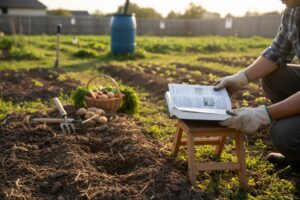
For Families Wanting to Reduce Grocery Bills: Growing even a modest garden can shave hundreds of dollars off annual food costs. Pair that with the preservation techniques inside, and your summer harvest stretches well into winter.
For Beginners Starting Their Homesteading Journey: If homesteading feels overwhelming, this guide removes the guesswork entirely. The language is clear, the projects are practical, and no prior farming experience is required to get started.
For Homeowners Focused on Emergency Preparedness: The water harvesting and food storage sections make this far more than a gardening book. You’ll learn how to collect and store water, build a reliable food reserve, and prepare for disruptions without panic-buying or expensive gear.
For Small Property Owners: The methods inside are specifically designed for quarter-acre lots, meaning urban and suburban homeowners can implement real changes right now. A small raised bed or a single rain barrel is often all it takes to begin.
Want to see how it works for different property types? Explore the full guide details on the official site.
Honest Strengths and Limitations
Building a self-sufficient backyard takes real commitment, and no resource is perfect for every person. Here’s a transparent look at what this guide genuinely delivers and where it has natural boundaries.
The strengths are hard to argue with. The guide is backed by 40+ years of authentic off-grid living experience, written in an accessible style that avoids overwhelming jargon, and designed specifically for small residential properties. The 100+ DIY projects span multiple skill levels, and the large online community gives readers a place to share progress and troubleshoot challenges.
That said, a few limitations are worth knowing upfront:
- Water harvesting regulations vary by state and country, so a quick local ordinance check is worth doing before you start.
- First-year implementation requires upfront time and some financial investment before results become visible.
- Some advanced projects may need supplemental research to adapt properly to specific climates or geographic conditions.
- The guide is digital only, which may not suit readers who prefer physical books.
These limitations are real but manageable. The regional regulation issue, for example, is easy to navigate with a quick search before starting any water collection project. And the upfront investment concern applies to virtually all homesteading resources, not just this one. Overall, the strengths significantly outweigh the drawbacks for most readers.
What Real Readers Are Saying
The numbers alone tell a compelling story. With nearly 800,000 followers in its Facebook community, The Self-Sufficient Backyard has built one of the most engaged homesteading audiences online, and that loyalty stems directly from reader results.
Across forums, social groups, and review threads, the sentiment is consistent: this guide delivers practical, actionable projects rather than vague theory. Readers repeatedly describe it as a “must-have” resource, particularly those new to homesteading who want clear steps without the overwhelm.
A few sentiments that surface regularly in community discussions:
- “I finally felt like I could actually do this, not just read about it.”
- “Every project paid for itself within a season.”
The guide earns consistent praise for covering real-world skills, from food growing and water harvesting to emergency preparedness and DIY builds. Readers appreciate that each section moves them toward measurable self-sufficiency rather than leaving them with more questions. Ready to join a community of people already putting this into practice? Check out the guide here and see what others are saying.
How It Compares to Other Homesteading Resources
When you’re deciding where to invest your time and money, it helps to know how this guide stacks up against the alternatives.
Most homesteading books cover one topic deeply, meaning you’d need separate titles for food growing, water harvesting, energy systems, and emergency preparedness. This guide consolidates all of it into a single resource. Beyond the convenience factor, Ron and Johanna draw from decades of real off-grid living, not secondhand research or theoretical frameworks.
Free online content exists in abundance, but it’s scattered across blogs, forums, and YouTube channels with no logical sequence. For anyone new to homesteading, piecing that information together is genuinely time-consuming. This guide delivers curated, step-by-step guidance so you spend time implementing rather than searching.
| Resource | Format | Flexibility |
|---|---|---|
| This Guide | Digital, self-paced | High |
| Specialty Books (multiple) | Print/digital | Medium |
| Free Online Content | Scattered | Low |
| In-Person Courses | Scheduled | Low |
In-person homesteading courses can run $500 to $2,000 or more, with fixed schedules that don’t suit busy families. This guide is self-paced and accessible whenever you have time, making it a far more practical option for most households. Each alternative has its place, but for consolidated, beginner-friendly guidance you can act on immediately, this one consistently offers the strongest overall value.
Frequently Asked Questions
Is this guide suitable for complete beginners?
Absolutely. The guide is built with beginners in mind, using plain language and clear, step-by-step project instructions throughout. No prior farming, building, or preservation experience is required.
How much land do I need?
The guide references a quarter-acre as a workable benchmark for feeding a family of four. Smaller urban plots can still benefit from many methods, including container gardening, vertical growing, and compact water harvesting systems.
Does it cover different climate zones?
The core principles apply broadly, though some regional adaptation may be necessary. Readers are encouraged to supplement the guide with local agricultural extension resources for climate-specific planting schedules.
What’s included in the 100+ DIY projects?
The projects span a wide range of practical categories:
- Food production – raised beds, composting systems, and small livestock setups
- Water systems – rainwater collection and gravity-fed irrigation
- Food preservation – canning, drying, and root cellaring techniques
- Energy-saving structures – cold frames, solar food dryers, and insulated storage
Is there a money-back guarantee?
Yes, the guide comes with a satisfaction guarantee designed to remove purchase risk entirely. If the material doesn’t meet your expectations, you can request a refund with confidence.
Is The Self-Sufficient Backyard Worth It?
The Self-Sufficient Backyard delivers exactly what it promises: a grounded, practical guide for anyone ready to build real self-reliance at home. Whether you have a sprawling rural lot or a modest suburban yard, this resource meets you where you are.
The strongest case for this book comes down to a few key points. It includes 100+ projects covering food, water, energy, and emergency preparedness. It draws on 40+ years of author experience, distilled into beginner-friendly guidance. And the strategies scale to small properties without requiring major land or capital investment.
Yes, meaningful self-sufficiency takes effort. Gardens need tending, water systems need setup, and DIY projects require time. But that investment builds something lasting, and this guide helps you move forward with confidence rather than guesswork. The depth here is genuine, covering ground that most homesteading resources skip or oversimplify.
It remains one of the most approachable and complete resources available for homesteading beginners today.


0 comments